What changed in the acquisition approach
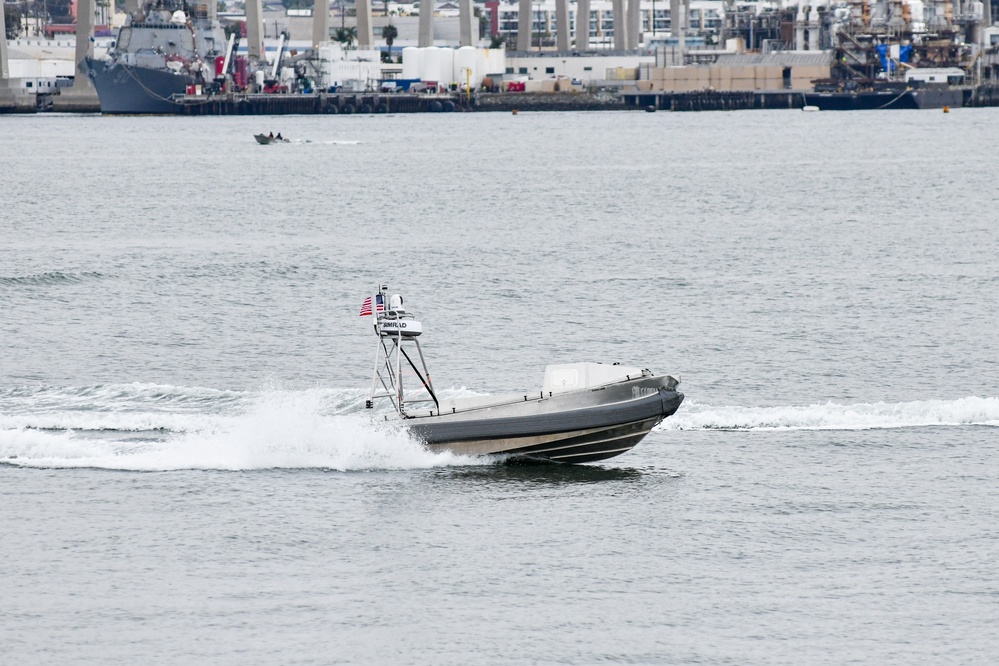
The Navy released its MUSV family-of-systems prototype solicitation on March 26, 2026. In a briefing that day, Navy officials described replacing the Modular Attack Surface Craft effort with a marketplace focused on mature designs, as reported in DefenseScoop's direct account of the briefing.
MASC stands for Modular Attack Surface Craft. Its replacement reflects an acquisition choice; the public announcements do not establish that a completed single-vendor program failed, or that all underlying technology had already succeeded. A procurement model and the readiness of the systems proposed under it need separate assessment.
September 2026 review update: the Navy's May 29 announcement named seven entries advancing to at-sea testing: Sea Machines, Leidos, Saronic Technologies, Galliano Marine Services, PacMar Technologies, Birdon and HII. It stated that successful completion would bring a $15 million payment and eligibility for follow-on production. Its anticipated October testing completion was a schedule expectation, not evidence that every test had finished.
The sequence is important: entry, evaluation, successful completion and production eligibility are distinct stages. Eligibility is not the same as a guaranteed production order. A vendor's investment and capacity plan should reflect the actual commitments at each stage.
Openness needs a defined interface
Modularity can reduce integration friction when the physical, electrical, data and control interfaces are clearly specified. It does not mean a payload can move between hulls without any engineering or verification. Weight, power, cooling, stability, timing and software behavior can all affect the result.
For each proposed interface, document the version, responsibilities and acceptance evidence. A customer considering a later component change needs to know what can remain unchanged and what must be reassessed. Data rights and access to technical documentation affect that decision as much as the use of an open protocol.
Useful questions for the integration review include:
- Which interfaces are published and available to an authorized third-party integrator?
- Which functions depend on proprietary services or licenses?
- Who owns compatibility testing after a payload or software update?
- What configuration was demonstrated, and what differences exist in the proposed delivery?
- How are interface failures detected, reported and resolved?
Specific standards should be named only when they appear in the applicable requirement or agreement. A broad claim of marketplace compliance needs a traceable reference to the actual test and acceptance criteria.
Demonstrate the intended communications conditions
An uncrewed vessel may operate with limited connectivity, but the acceptable behavior depends on its mission and approved operating boundaries. Evaluation should distinguish loss of the operator link from loss of a sensor, navigation input or external service. Those conditions may require different responses.
The customer should be able to see which functions continue, what information becomes stale and how the vessel's state is recorded. Restoration matters too: delayed messages and configuration changes need to be reconciled when the link returns. Claims about disconnected operation should be tied to the conditions actually tested.
These are system-level requirements. Onboard autonomy, communications, power and mechanical reliability must be considered together. A marketplace can compare different solutions without treating the hull as a commodity or assuming the software alone determines suitability.
Keep cybersecurity obligations precise
Product security, system authorization and contractor information protection are related but distinct. A vessel's connection to a Navy network does not by itself establish a particular CMMC level. The applicable solicitation, contract and information handled determine the obligations that need to be addressed.
The DoW CIO's current CMMC information also records the July 2026 suspension of Phase II while Phase I self-assessment continues. Suppliers should verify their actual contract requirements rather than rely on an outdated rollout schedule.
For the product itself, a useful security package identifies supported software, access controls, update integrity, vulnerability handling and configuration management. If an SBOM, specific development environment or other artifact is required, its scope and maintenance expectations should be explicit. Procurement teams should avoid substituting a general security label for reviewable evidence.
Plan for repeat delivery before the demonstration ends
A marketplace can widen the set of firms considered, including nontraditional suppliers, while leaving substantial production and sustainment demands. The vendor must still show that the demonstrated configuration can be delivered consistently and supported at the required scale.
- Map the proposal to the current solicitation and its amendments.
- Identify completed evidence, remaining development and configuration differences.
- Establish interface documentation, data rights and change responsibilities.
- Cost training, spares, maintenance, recovery and software support.
- Separate firm orders from potential demand when committing production capacity.
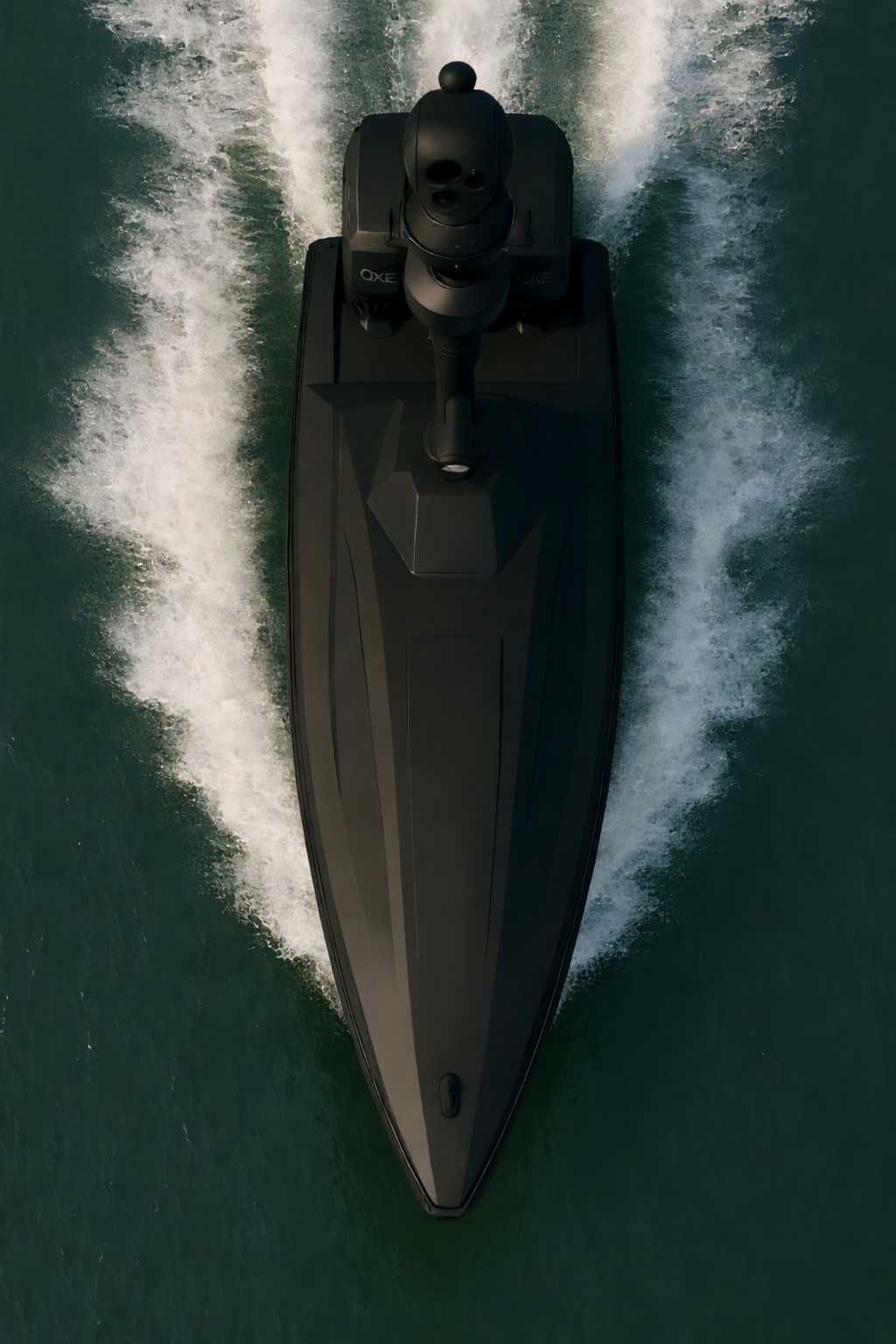
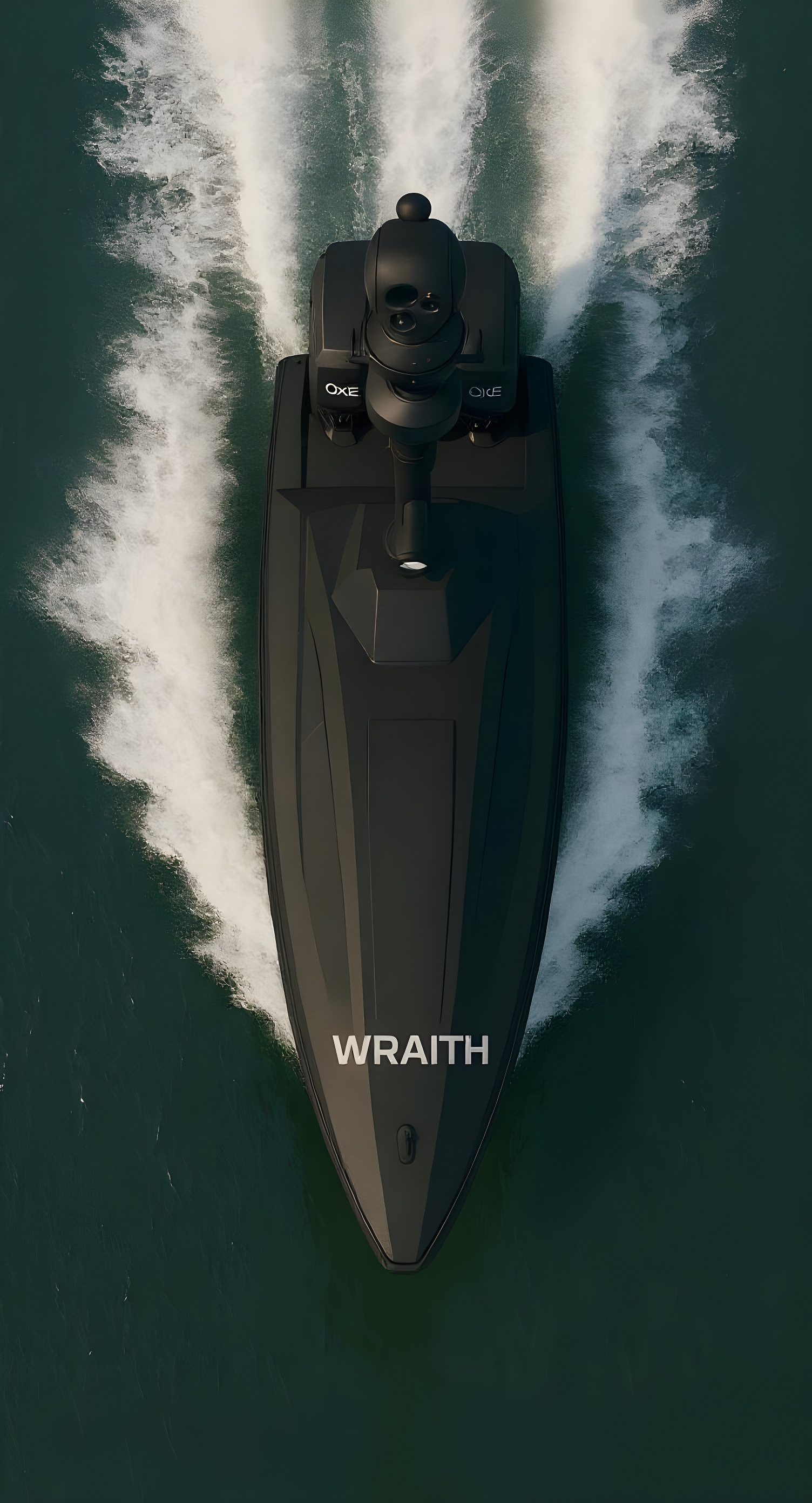
Spartan X describes Wraith around modular mission packs and standardized interfaces, including customer command-and-control integration. That design direction is relevant to the marketplace's broader integration problem; qualification for a particular Navy opportunity still depends on its requirements and demonstrated evidence.
The opportunity is to compete on a complete, maintainable capability. Strong demonstrations open the conversation; disciplined integration and sustainment make the resulting procurement useful to the fleet.
Sources and further reading
- Navy MUSV prototype solicitation, March 26, 2026
- DefenseScoop: direct reporting from the Navy marketplace briefing
- U.S. Navy: May 29 at-sea demonstration selections
- DoW CIO: current CMMC implementation information
Spartan X combines maritime engineering, cybersecurity and program execution to make open integration practical, with the configuration evidence and support planning needed to carry a vessel from demonstration into sustained use.